
Longform Audio

My favorite long-form audio pieces, whether they're panels, interviews, or carefully produced audio essays.

Invisible Homelessness: Working and unhoused in America

It’s been said before that homelessness is a housing problem, and there’s no bigger proof than the hundreds of thousands of Americans estimated to be homeless, but uncounted by the federal government.These are often people you’d never assume are homeless. They don’t fit the stereotypes, after all: they have jobs, they dress in clean clothing, they don’t sleep in the street. Instead, they crash with family or friends until they wear out their welcome, sleep in their cars, and sometimes live preca...

Rail Redux: Passenger rail's potential return to Wilmington

Wilmington was once the center of passenger rail on the East Coast. At a time when rail was transforming the economy, it was the terminus of the longest railroad in the world.But half a century ago, the last passenger train left Wilmington forever. Cars and planes displaced passenger rail, and the train depot in downtown Wilmington was replaced with the Community College Campus.Now, however, there’s a chance for residents to ride the rails again. Wilmington may get a passenger rail route to Rale...

How the justice system hurts, and helps, the homeless people in our community

In the past year or so in New Hanover County, we’ve seen public officials pushing back on the homeless population, even as it grows because of our housing crisis. As homeless individuals are pushed into the margins of the community, and into the woods, the justice system continues to interact with the unhoused.

On this week's episode, we’ll dig deep into the many ways the police, courts, and judges interact with the unhoused, in ways that help, and in ways that harm. It’s an exploration of the criminalization of homelessness, and the compassionate court systems that may offer a helping hand, and not just shackles.

Cape Fear Conversations: Housing and Homelessness

On today’s show, highlights from our most recent Cape Fear Conversations event, hosted by reporter Kelly Kenoyer. This is our third event, this time focusing on the issue of homelessness — looking at what factors are pushing people out of housing, what we get wrong about them and what they’re going through, and about how we might help get them back on track.

Our panelists for this event were Katrina Knight, Clayton Hammerski, Karen Garcia, Katelyn Mattox, and Pastor Meg McBride.

The Newsroom: Conversations about Pride, identity, and finding the gay bars

Last month, WHQR hosted its second-ever Cape Fear Conversation —this time, at Waterline Brewing. We invited members of the LGBTQ Community to talk about issues impacting us in North Carolina and the Wilmington Area. We laughed, we cried, and we had a wonderful time. So now, just in time for Pride Month, panel moderator and news reporter Kelly Kenoyer brings you the highlights.
• TR Nunley, Program Director, Wilmington Transgender Community and Admin for the Wilmington Pride Facebook page.
• Qail

Gentrification in Wilmington Part II: The data, the struggle, and the solutions

Wilmington's downtown was once extremely segregated, with certain neighborhoods almost exclusively Black, and others almost exclusively white. That's changing, as waves of white residents move into Black neighborhoods — but the inverse isn't happening to nearly the same degree. Black residents are losing ground, and under the current housing crisis, it's almost a zero-sum game. So what is causing this economic pressure? And what could be done to change it?

Listen to Part 1: The changing face of

The changing face of Wilmington's Northside, Pt. 1: A conversation about gentrification

Next week, we'll have an in-depth hour digging into all kinds of voices that tie into this economic phenomenon, and what solutions may exist to repair the damage.
• Northside Food Co-op brings in design and architecture help to prepare ahead of opening
• Data drop: Wilmington in top 12% of cities for rent increases in the country
• The Newsroom Special Edition: The Northside Story - segregation, gentrification, and zoning in Wilmington (2021)
• The Newsroom: Wilmington's challenges, public-priva

The Newsroom: What makes a city, a city?

What defines a city? It’s not all housing and transportation: sometimes it’s the very fabric and stitching that holds a community together. It's the rules, regulations, and design philosophies that decide the economic, social, and visual coherence of a city — and whether any of it is sustainable.

So which neighborhoods are the most sustainable in Wilmington? And how can other neighborhoods follow suit?

And why is rent so high!?

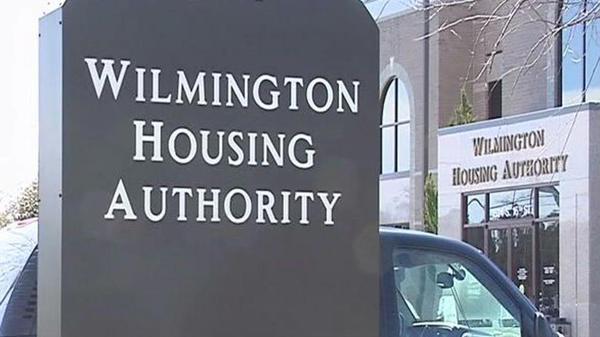
WHAT’S NEXT?: Housing authority is plagued by mold complaints from residents and has lost its leaders. What can be done to fix the mess?

WILMINGTON, N.C. (WECT) - Mold issues in the Wilmington Housing Authority (WHA) dating back to Hurricane Florence in 2018 were ignored for years. Now, nearly 80 families — hundreds of residents — have been displaced, and the authority is in a tailspin.

Costs just to house those families, stuck in hotel rooms around the city for months and months, are soaring. Meanwhile, the authority has barely even started the remediation work — and that’s just for the units they know about.

It’s unclear how

The Newsroom Special Edition: The Northside Story - segregation, gentrification, and zoning in Wilmington

We’ll start with a close look at the Brooklyn Arts District — formerly known as Brooklyn Heights. That historically black neighborhood in Wilmington's Northside has seen just about every element of segregationist policy known to America… and now, it’s becoming integrated. Then, a conversation with two academics who know the ins and outs of zoning, housing, and segregation.

And finally, a look forward: to the proposed land development codes here in Wilmington, and what other cities and states ar

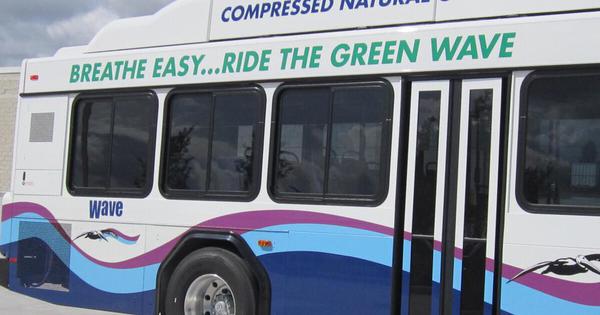
Deep Dive: Can WAVE transit outrun its toxic past, and turn things around for public transit?

Howard Gardener drives the 301 bus for Wave transit: a 7-mile round trip from the Monkey Junction Walmart to Pleasure Island and back, with service running every three hours.

Gardener has worked for Wave for nearly 2 decades, and has seen how ridership has changed over the years.

“When I started in like 2004. The buses were crowded, and you had more buses running, but they didn't go that far. They went in a small little circle.”

In 2005, Wave had in 2005, but that had dropped to . That’s desp

Rural reporters on how their communities are handling coronavirus

As coronavirus cases and deaths skyrocket across Oregon, pandemic fatigue is setting in. In some rural areas, skepticism about the governor’s new restrictions on businesses and social gatherings is common. Reporters in rural areas have been writing about how some local officials and community members are flouting the state’s restrictions. We check in with newspaper reporters Kelly Kenoyer of The New Era in Sweet Home, Antonio Sierra of the East Oregonian and Becca Robbins of the Klamath Falls Herald and News.

When Police Kill

When police kill civilians, the victims are often people of color. So, when Arizona Republic reporters Uriel Garcia and Bree Burkitt decided to investigate police shootings in their state, they knew their sources should be as diverse as their community. On this week’s episode, we’ll go behind the reporting to learn how they tallied police shootings, identified sources, and used data and documents to show the true scope of the problem. EPISODE NOTES: bit.ly/2ms5dFy